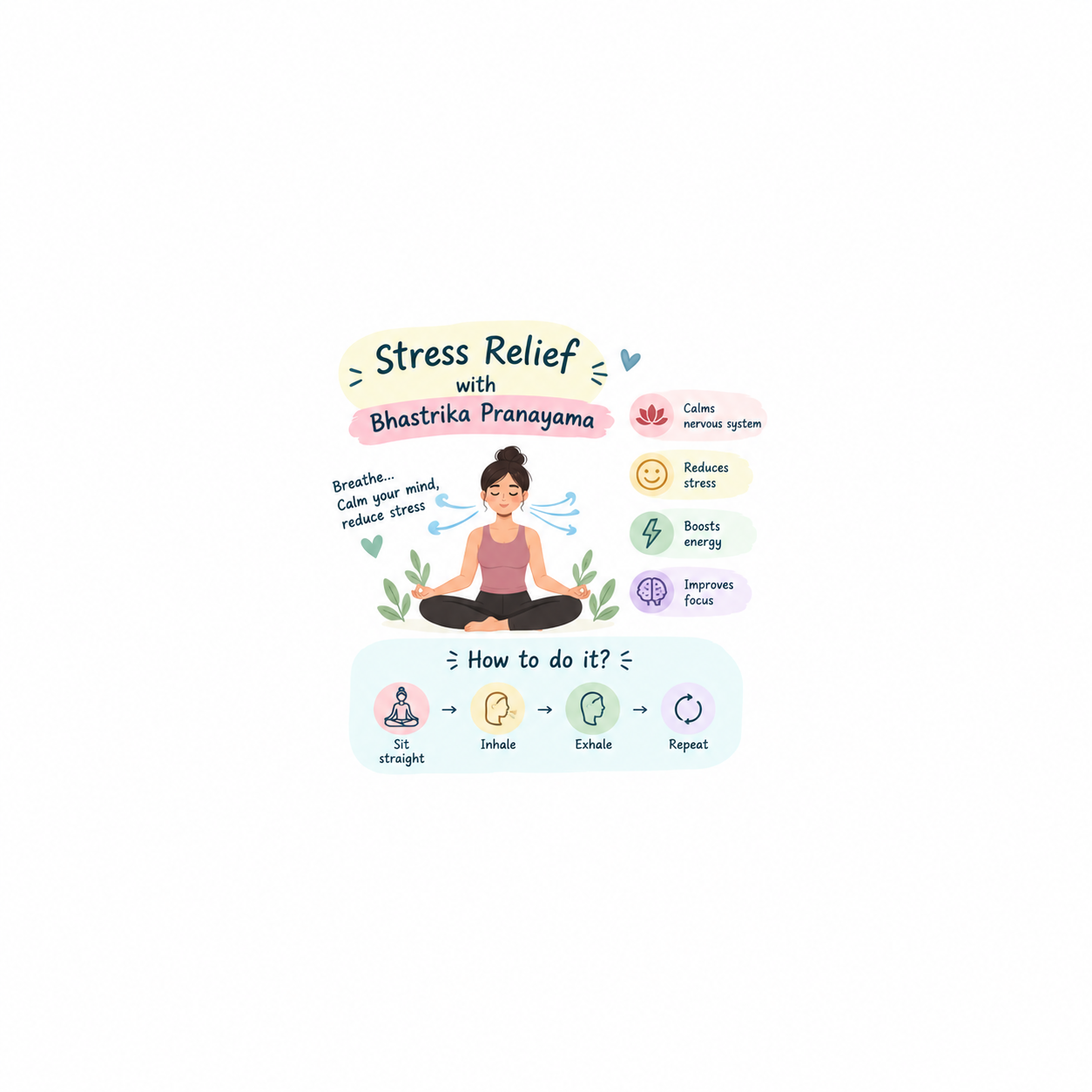


Stress is a part of everyday life, but unhealthy habits, irregular eating patterns and insufficient sleep can make it harder for our bodies to cope with stress. Cortisol, commonly known as the stress hormone, plays an important role in how our body responds to stressful situations.
In this playlist, we explore simple lifestyle changes, stress-supporting foods and essential nutrients that may help you manage everyday stress and support overall well-being.
1. Three Habits That Can Increase Stress
Certain everyday habits may contribute to stress and disturb your mental well-being.
- Checking your phone repeatedly: Constant notifications and screen time can make it difficult to relax.
- Skipping meals: Irregular eating patterns may affect your energy and mood.
- Not getting enough sleep: Poor sleep can make it harder for your body to manage stress.
2. Foods That Help Your Body Cope With Stress
A balanced diet can support your body during stressful periods.
- Turmeric milk: A comforting drink that provides beneficial compounds from turmeric.
- Buttermilk: A refreshing drink that supports hydration.
- Coconut water: Helps replenish fluids and electrolytes.
3. Foods That May Help Support Healthy Cortisol Levels
Cortisol is essential for normal body functions, but maintaining a healthy stress response is important.
- Dark chocolate: Contains antioxidants and may support mood.
- Fatty fish: Provides omega-3 fatty acids that support brain health.
- Banana: Provides vitamin B6 and other nutrients.
4. Foods to Include for Stress Management
Nutritious foods can support overall mental and physical well-being.
- Yogurt: Provides protein and beneficial bacteria.
- Nuts: Supply healthy fats and essential nutrients.
- Berries: Rich in antioxidants that help protect cells.
5. Healthy Snacks for Stress Eating
Instead of relying on highly processed snacks, try nutritious alternatives.
- Foxnuts (Makhana): A light and crunchy snack.
- Walnuts: Provide healthy fats and omega-3 fatty acids.
- Chickpeas: Offer protein and fibre to help keep you satisfied.
6. Magnesium-Rich Foods for Stress Management
Magnesium supports normal nerve and muscle function and plays a role in the body’s stress response.
- Pumpkin seeds: A good source of magnesium.
- Almonds: Provide magnesium, healthy fats and vitamin E.
- Chia seeds: Supply magnesium, fibre and omega-3 fatty acids.
Explore the Complete Stress Hormones Playlist!
If you want to understand stress hormones, learn about cortisol, explore stress-related eating habits or discover foods that may support your mental well-being, this playlist is worth watching.
And if you are experiencing frequent stress, mood changes, poor sleep or stress-related eating, you can watch this playlist to learn more about simple lifestyle habits and nutritional choices that may help.
Small changes in your daily routine, better food choices and quality sleep can make a positive difference to your overall well-being.
Remember: Food and lifestyle habits can support stress management, but they are not a replacement for professional help when stress becomes persistent or overwhelming.