Non-Motivational: Eat 5 Dopamine-Supporting Foods

Feeling mentally drained, unfocused, or low on energy?
Your daily diet can play an important role in supporting brain health and neurotransmitter production. Instead of relying only on motivation, start by giving your body the nutrients it needs.

Dopamine is a neurotransmitter involved in motivation, reward, attention, mood, and movement. While no single food can instantly “boost” dopamine, a balanced diet containing key nutrients can support the body’s natural neurotransmitter pathways.

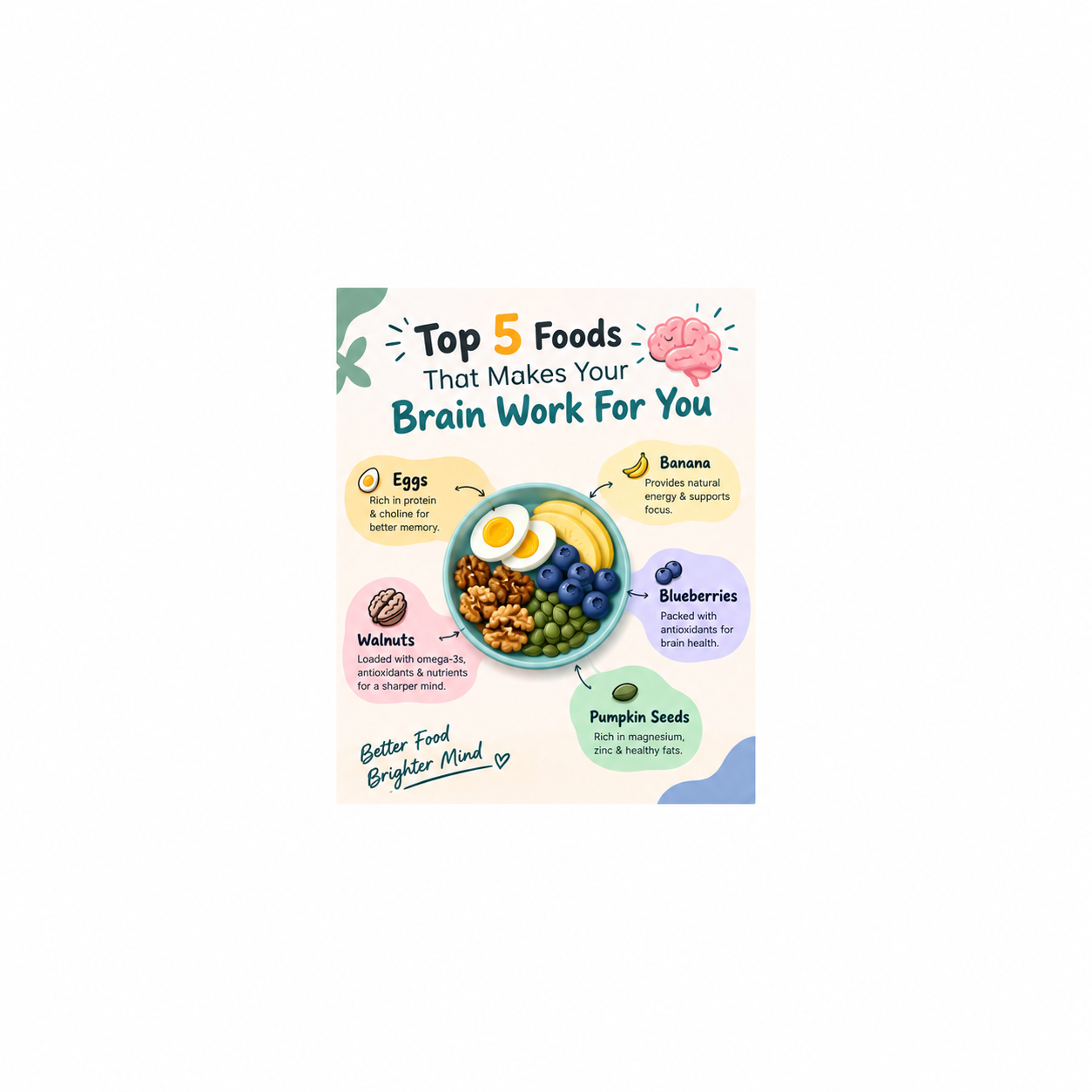
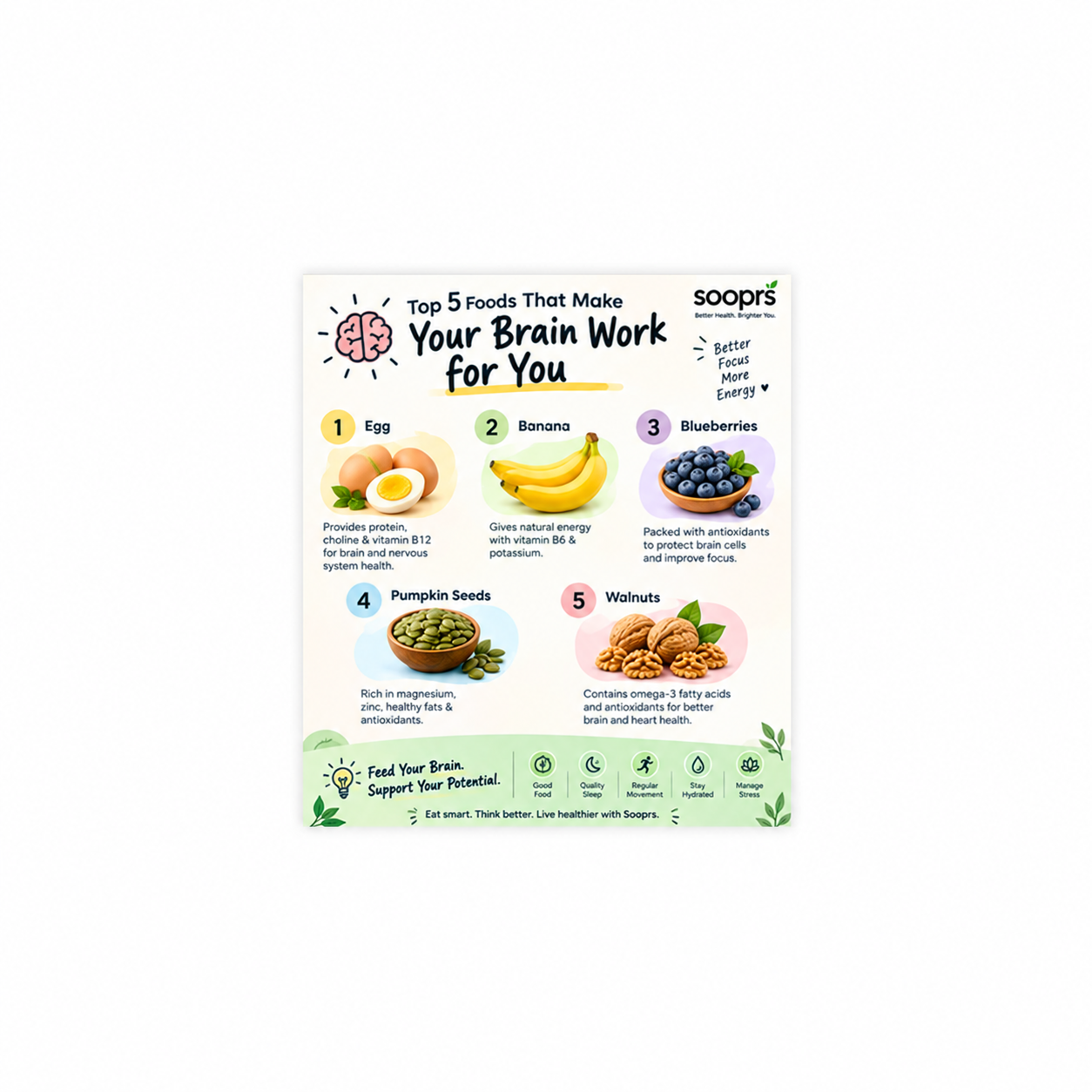
🥚 1. Eggs — A Protein-Packed Brain Food

Eggs are a convenient source of high-quality protein and contain tyrosine, an amino acid used by the body to produce dopamine.

Why add them to your diet?

  • Rich in protein
  • Provide tyrosine
  • Contain vitamin B12 and choline
  • Easy to include in breakfast or snacks

Try it: Pair boiled eggs with whole-grain toast and vegetables for a balanced meal.


🎃 2. Pumpkin Seeds — Small Seeds, Big Nutrition

Pumpkin seeds are packed with nutrients that support overall brain and nervous-system function. They provide tyrosine, magnesium, zinc, protein, and healthy fats.

Why they stand out:

  • Good source of magnesium
  • Provide zinc
  • Contain plant-based protein
  • Provide healthy fats
  • Convenient for snacking

Try it: Sprinkle pumpkin seeds over oatmeal, yogurt, salads, or smoothies.


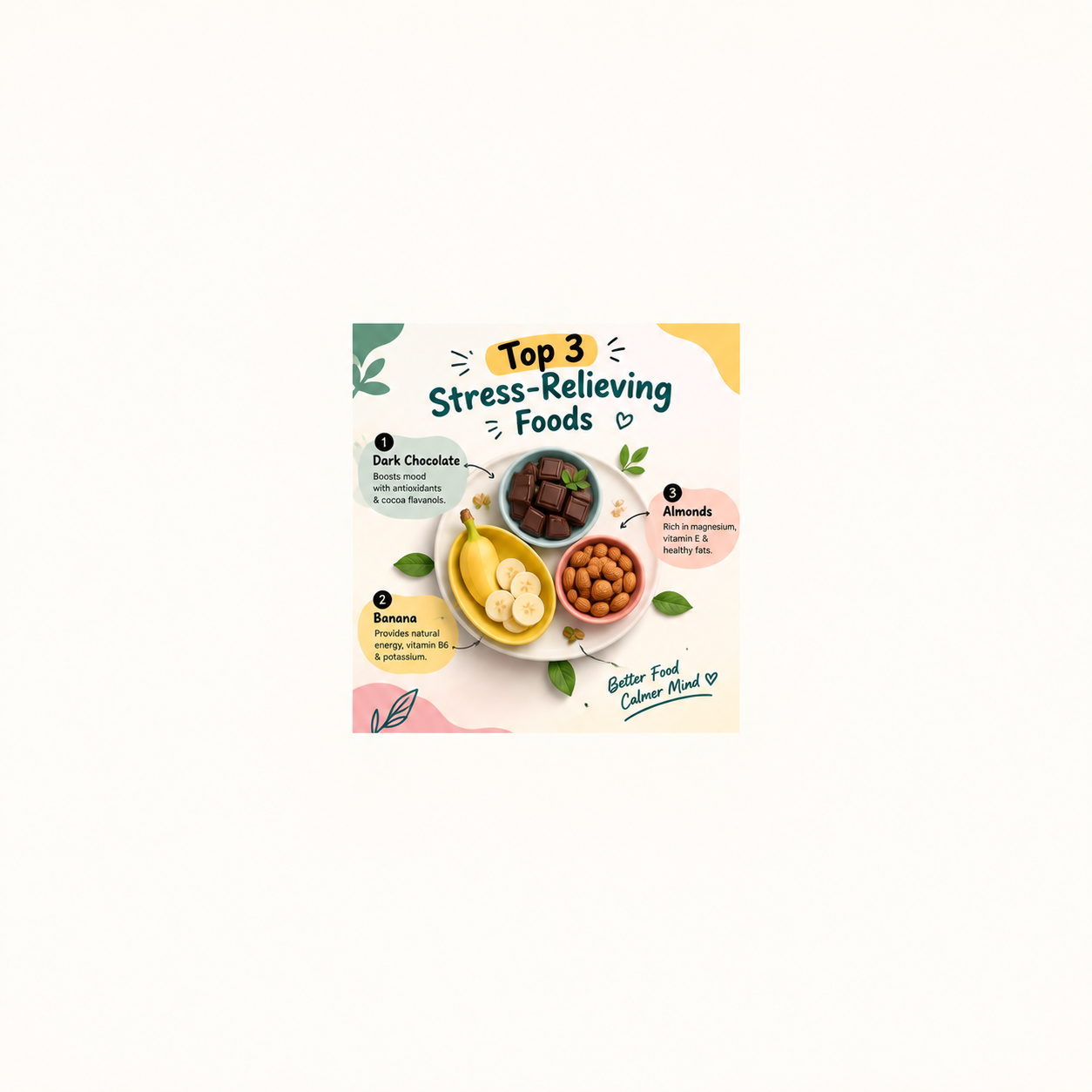
🌰 3. Almonds — Your Everyday Brain-Friendly Snack

Almonds provide protein, healthy fats, and tyrosine, making them a nutrient-dense addition to your daily diet.

They can also help make snacks more satisfying while providing important nutrients for overall health.

Why choose almonds?

  • Protein-rich
  • Source of healthy fats
  • Provide vitamin E
  • Contain magnesium
  • Easy to carry and snack on

Try it: Keep a small handful of unsalted almonds ready for a convenient afternoon snack.


🍫 4. Dark Chocolate — A Smarter Sweet Choice

Dark chocolate contains cocoa compounds that are associated with reward and pleasure pathways. Cocoa also contains naturally occurring compounds and antioxidants that make dark chocolate an appealing addition to a balanced diet.

For a better choice:
Choose dark chocolate with a higher cocoa percentage and enjoy it in moderation, as chocolate can still be calorie-dense and contain added sugar.

Try it: Add a small piece of dark chocolate to your afternoon snack instead of highly processed sweets.


🍌 5. Bananas — Naturally Rich in Vitamin B6

Bananas provide vitamin B6, a nutrient involved in neurotransmitter production. They also offer carbohydrates and are an easy, naturally sweet snack.

Why bananas are useful:

  • Provide vitamin B6
  • Convenient and affordable
  • Naturally sweet
  • Easy to add to breakfast
  • Pair well with protein-rich foods

Try it: Combine a banana with almonds, peanut butter, or yogurt for a more balanced snack.


Make Your Diet More Brain-Friendly

Eating for better brain health isn’t about finding one “magic” food. It’s about creating a balanced eating pattern that consistently provides protein, healthy fats, vitamins, minerals, fiber, and other beneficial nutrients.

A simple food formula:

Protein + Healthy Fats + Micro nutrients + Whole Foods
⬇️
Better Nutritional Support
⬇️
Support for Brain & Nervous-System Function
⬇️
Build Sustainable Healthy Habits

More Dopamine-Supporting Foods to Explore

Want more variety? Consider adding:

  •  Salmon — protein and omega-3 fats
  •  Avocado — healthy fats and folate
  •  Beans & lentils — plant protein and nutrients
  •  Leafy greens — folate and other micronutrients
  •  Greek yogurt — protein and B vitamins
  •  Soy foods — protein and tyrosine
  •  Berries — antioxidants and fiber
  •  Whole grains — complex carbohydrates and B vitamins

🚫 Don’t Depend on Motivation Alone

Your mood, focus, and energy are influenced by many factors—not just food. Sleep, physical activity, stress management, hydration, and overall diet quality all matter.

Think of healthy eating as a daily investment in your body and brain rather than a quick fix.

Eat Well. Fuel Your Brain. Build Better Habits.

Start simple: Add one nutrient-rich food to your day, stay consistent, and build from there.

Note: These foods support general nutrition and do not directly treat low dopamine or medical conditions. If you have persistent changes in mood, motivation, or concentration, consider speaking with a qualified healthcare professional.