
Mood swings, sudden irritation, unnecessary anger, and frequent emotional changes can sometimes affect your daily life. Whether you are studying, working, managing personal responsibilities, or dealing with everyday stress, maintaining emotional balance is essential for overall well-being.
One important chemical involved in regulating mood and emotions is serotonin, a neurotransmitter that helps nerve cells communicate with each other. It plays an important role in mood regulation, sleep, appetite, and several other bodily functions.
If you frequently experience mood fluctuations, get irritated over small things, or find it difficult to manage your emotions, understanding serotonin and maintaining a balanced diet can be a helpful starting point.
1. Understanding Serotonin: The Mood-Regulating Chemical
Serotonin is commonly known as the feel-good chemical because of its role in regulating mood, emotions, and overall mental well-being.
It contributes to emotional balance and is also involved in sleep, appetite, and digestion.
Several factors, including stress, sleep quality, physical activity, and nutrition, can influence your overall brain health and the way your body produces and uses serotonin.
However, frequent mood swings or sudden anger do not necessarily mean that your serotonin levels are low. Emotional changes can have several possible causes.
2. Four Foods That May Support Serotonin Production
Your body uses an amino acid called tryptophan to produce serotonin. Including foods that provide tryptophan and other essential nutrients can support normal brain function.
Here are four nutritious foods you can include in your daily diet.
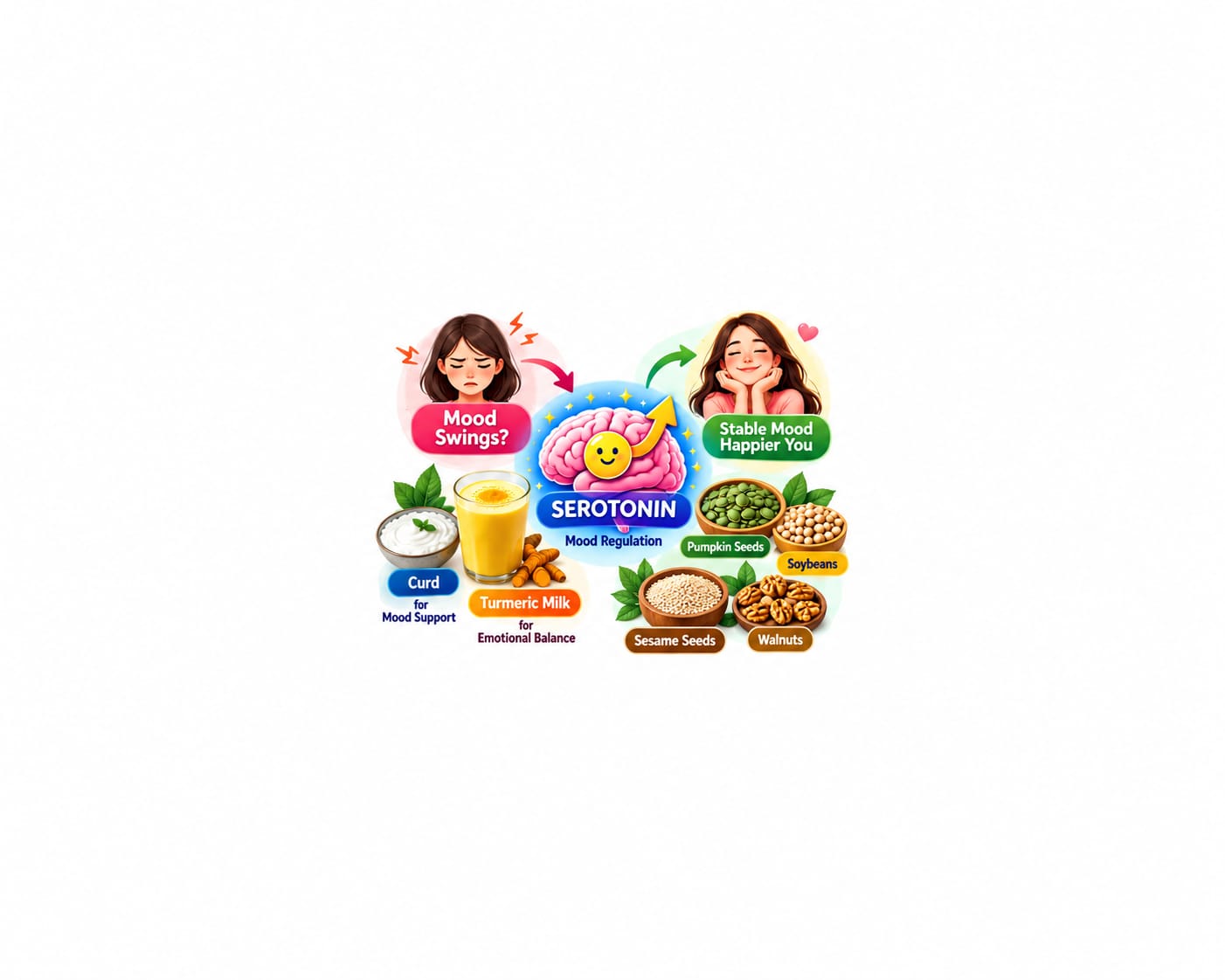
1. Pumpkin Seeds
Pumpkin seeds contain tryptophan, magnesium, and other essential nutrients. They contribute to a balanced diet and support normal nervous system function.
You can enjoy a small handful as a healthy snack or add them to your breakfast.
2. Soybeans
Soybeans are a good source of plant-based protein and contain tryptophan, which your body uses to produce serotonin.
You can include boiled soybeans, tofu, or other soy-based foods in your regular meals.
3. Sesame Seeds
Sesame seeds provide healthy fats, minerals, and other essential nutrients. They are an easy addition to your everyday diet and can contribute to overall nutritional well-being.
You can sprinkle sesame seeds over salads, vegetables, or homemade meals.
4. Walnuts
Walnuts contain omega-3 fatty acids, antioxidants, and other nutrients that support brain health.
Including walnuts in your daily diet can contribute to overall nutritional balance. You can enjoy them as a snack or add them to your breakfast.
3. Foods to Include When Experiencing Mood Swings
Along with the foods mentioned above, certain everyday foods can contribute to a balanced and nutritious diet.
Curd: Curd contains beneficial bacteria, protein, and calcium. It supports digestive health, which is connected to the gut-brain relationship.
Turmeric Milk: Turmeric milk provides protein and essential nutrients from milk, along with curcumin from turmeric. It can be a comforting addition to your evening routine.
Banana: Bananas provide vitamin B6, carbohydrates, and other nutrients. Vitamin B6 plays a role in producing neurotransmitters, including serotonin.
4. Healthy Daily Habits for Better Emotional Balance
Food is only one part of maintaining emotional well-being. Your everyday habits also play an important role in supporting brain health and emotional stability.
- Maintain a proper sleep schedule: Getting sufficient sleep helps support brain function and emotional regulation.
- Exercise regularly: Walking, yoga, and other physical activities can contribute to better mental well-being.
- Manage stress: Meditation, deep breathing, and relaxing activities can help you manage everyday stress.
- Avoid skipping meals: Eating balanced meals at regular intervals supports consistent energy levels.
- Stay hydrated: Drinking enough water is important for normal body and brain functions.
Final Thoughts
Your mood, emotions, and brain health are connected in several ways, and serotonin is one of the important neurotransmitters involved in this process.
If you frequently experience mood swings, sudden irritation, unnecessary anger, or emotional ups and downs, paying attention to your nutrition, sleep, and daily lifestyle can be a helpful starting point.
Include nutritious foods such as pumpkin seeds, soybeans, sesame seeds, walnuts, curd, turmeric milk, and bananas as part of a balanced diet.
Remember, food alone cannot treat persistent mood disturbances or correct a serotonin imbalance. If emotional changes are frequent, intense, or affecting your everyday life, consider consulting a qualified healthcare professional.
Take care of your brain, nourish your body, and make emotional well-being a part of your everyday health routine.
Watch Our Video Playlist to Learn More!
If you want to understand how serotonin influences your mood, emotions, and everyday behaviour, make sure to watch our video playlist on Mood Regulation and Serotonin. It will help you learn about the importance of serotonin, understand its connection with mood swings and emotional balance, and discover foods that may support your overall brain health.
Watch the complete playlist and take a step towards better understanding your mental and emotional well-being with Sooprs!